
- NDIS CAPACITY BUILDING · VICTORIA
Occupational therapy that starts with what you want to do
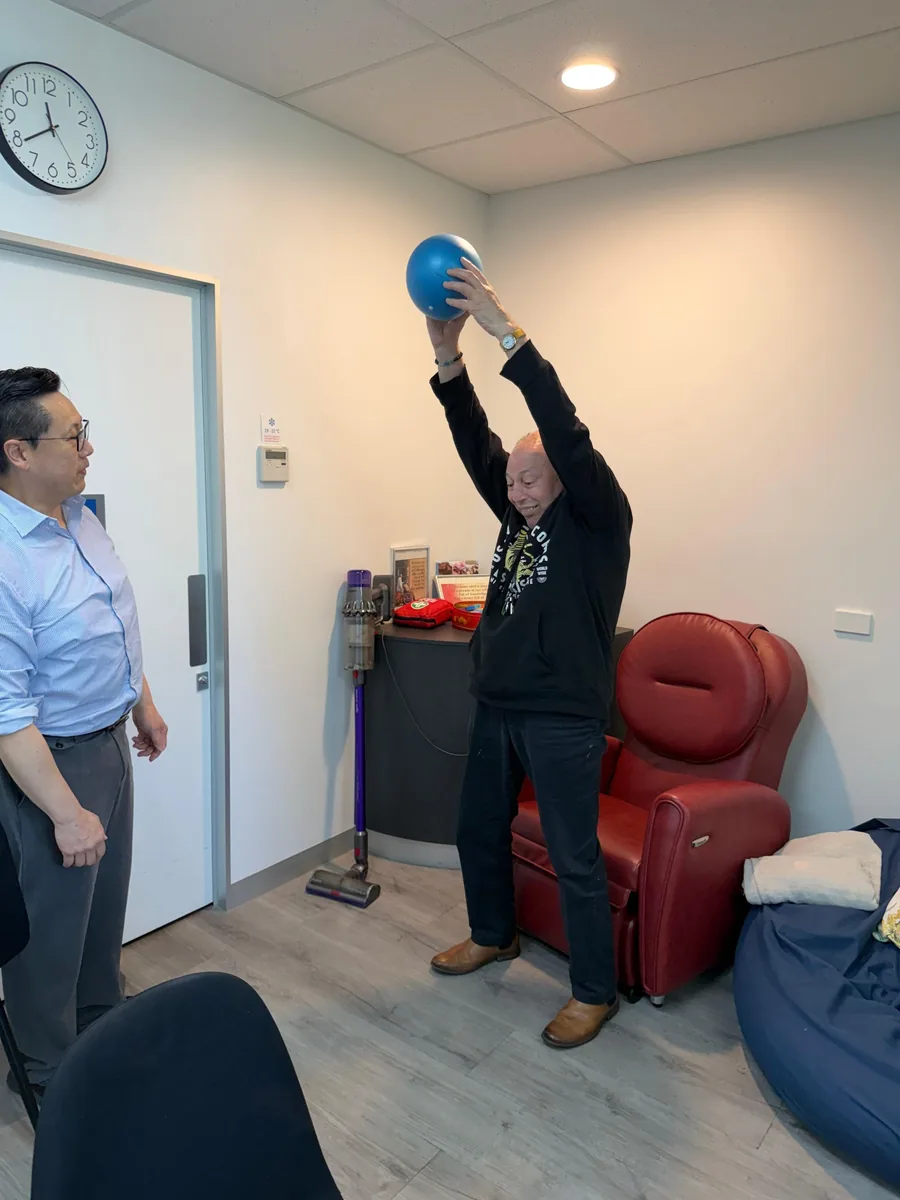
Why Choose Us
Registered NDIS Provider
Provider Number 4050087037
Home Visits and Clinic Appointments
Plus telehealth where it suits you
Assessments and Reports
FCA, SIL, SDA, AT and home modifications
NDIS Registered Provider · PN: 4050087037
NDIS
Registered Provider
PN: 4050087037
CB
Improved Daily Living budget funds this
$0
Out of pocket cost where plan funded
Home
Visits, office appointments and telehealth
VIC
Participants seen across Victoria
Understanding the Support
What is NDIS Occupational Therapy?
Where an OT Usually Helps
- Doing more at home: managing self care, kitchen tasks and daily routines more safely and with less help.
- Equipment that actually fits you: assessment and prescription of assistive technology, from a shower chair to specialised seating.
- Evidence for your plan: functional capacity, SIL and SDA assessments written for the NDIA to act on.
Why Choose Connect Support Group?
- Registered NDIS Provider: Provider #4050087037
- Home visits across Victoria: plus appointments at our Vermont office and telehealth.
- Multilingual organisation: staff fluent in Mandarin, Cantonese and Vietnamese as well as English.
Our Services
What Our Occupational Therapists Do

Assessments and Reports
The evidence the NDIA asks for, written so a planner can act on it rather than request more information.
- Functional Capacity Assessments (FCA)
- Psychosocial Functional Capacity Assessments
- Supported Independent Living (SIL) assessments
- Specialist Disability Accommodation (SDA) assessments
- Cognitive assessment and retraining
Assistive Technology
Matching equipment to the person and the home it has to work in, then writing the prescription behind it.
- Assistive technology assessments and specialised equipment prescription
- Specialised seating and wheelchair prescription
- Scooter and mobility assessment and training
- Shower chair and commode chair assessments
- Hoist and sling assessments
Home Modifications and Safety
Changing the building so it stops working against you, from a single grab rail to a bathroom.
- Ramps and access
- Grab rails
- Bathroom and kitchen modifications
- Falls prevention
Therapy and Rehabilitation
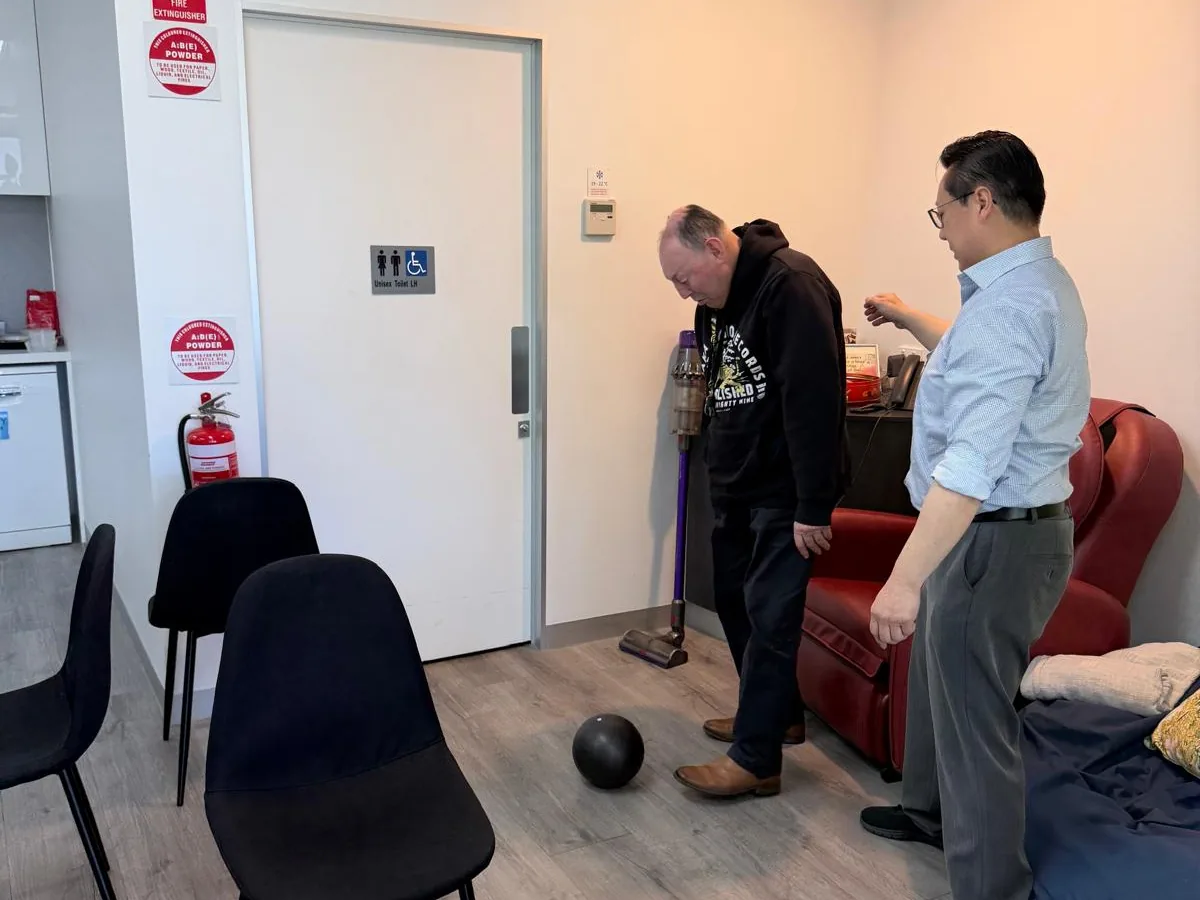
Hands on therapy that rebuilds a skill, delivered in the setting where you need to use it.
- Therapy, rehabilitation and home rehabilitation
- Stroke and neurological rehabilitation
- Developmental therapy
- Pressure care education and therapy
- Manual handling training and education
Full list of what our occupational therapists can do for you
NDIS Pricing Schedule 2026-27
How Occupational Therapy is Funded
| Support | Line item | National price limit |
|---|---|---|
|
Occupational therapy, direct service |
15_617_0128_1_3 |
$193.99 / hour |
|
Occupational therapy, provider travel |
Travel capped at 50% |
$97.00 / hour |
|
Therapy assistant, Level 1 |
15_052_0128_1_3 |
$56.16 / hour |
|
Therapy assistant, Level 2 |
Under OT supervision |
$86.79 / hour |
The Assessment Participants Ask About Most
Functional Capacity Assessments
1
A conversation about your goals first
What you want to be doing, not just what you currently cannot do.
2
Observation across daily living areas
The OT watches how you actually manage a range of tasks rather than relying on a questionnaire.
3
Information from the people who know you
Family, carers and treating clinicians, where you want them involved.
4
A detailed written report
Your functional abilities, your limitations, your goals, and the supports that follow from them.
5
Evidence a planner can act on
Written for the NDIA to use at a plan reassessment, with the reasoning set out.
Our Process
How Therapy Gets Started
1
Free Consultation
We talk through what you are finding difficult, what is in your plan, and whether occupational therapy is the right answer. No referral needed, no cost and no obligation.
2
Assessment
Your OT assesses you where it matters, usually at home, and brings in equipment trials or input from your treating clinicians where that helps.
3
Report and Recommendations
You receive the findings in writing, with the reasoning and evidence set out in the form the NDIA, your plan manager or a supplier needs.
4
Therapy and Review
Where ongoing therapy is part of the plan, we deliver it and review progress against your goals, adjusting as things change.

One team across your supports
Accessing Our Services
Who Our Occupational Therapists Work With
Who we work with
Language support

Where We Work
NDIS Occupational Therapy Service Areas Across Victoria
Melbourne East
- Vermont
- Doncaster
- Blackburn
- Mitcham
- Croydon
- Wantirna
- Rowville
- Scoresby
- Box Hill
- Ringwood
- Nunawading
- Forest Hill
- Bayswater
- Knox
- Boronia
Inner Melbourne
- Kew
- Richmond
- Parkville
- Fitzroy
- Abbotsford
- Hawthorn
- North Melbourne
- Carlton
- Collingwood
- Camberwell
South East and Bayside
- Glen Waverley
- Mount Waverley
- Dandenong
- Springvale
- Clayton
- Oakleigh
Regional Victoria
- Geelong
- Ballarat
- Bendigo
- Warrnambool
- Mornington Peninsula
- Latrobe Valley
- Other areas on request
The suburbs above are where we see participants most often. We are a Victoria wide service, so if your area is not listed, call (03) 9874 8628 and we will let you know what we can arrange.
Victoria, Australia
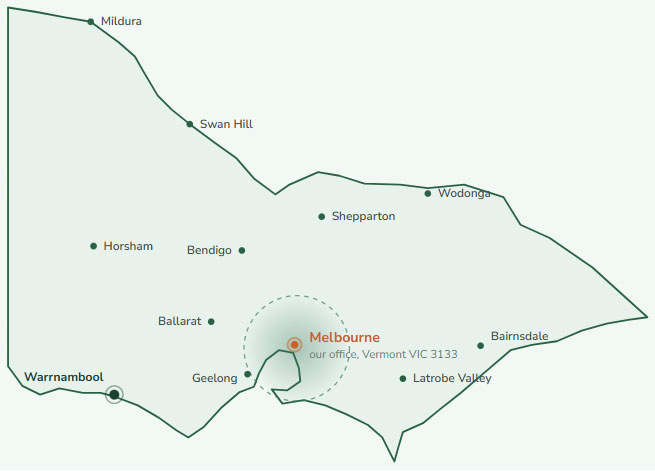
Occupational Therapyacross Victoria
COVERAGE
- Our office, Vermont VIC 3133
- Greater Melbourne, strongest coverage
- Remote coordination, Australia wide
- Warrnambool, active participants
Registered NDIS Provider 4050087037
Call (03) 9874 8628 to check your area
2/31 Redland Drive, Vermont VIC 3133
In person meetings available at our office, or at home across Victoria. Remote coordination available Australia wide.
Why Choose Connect Support Group
Therapy That Lands in Real Life
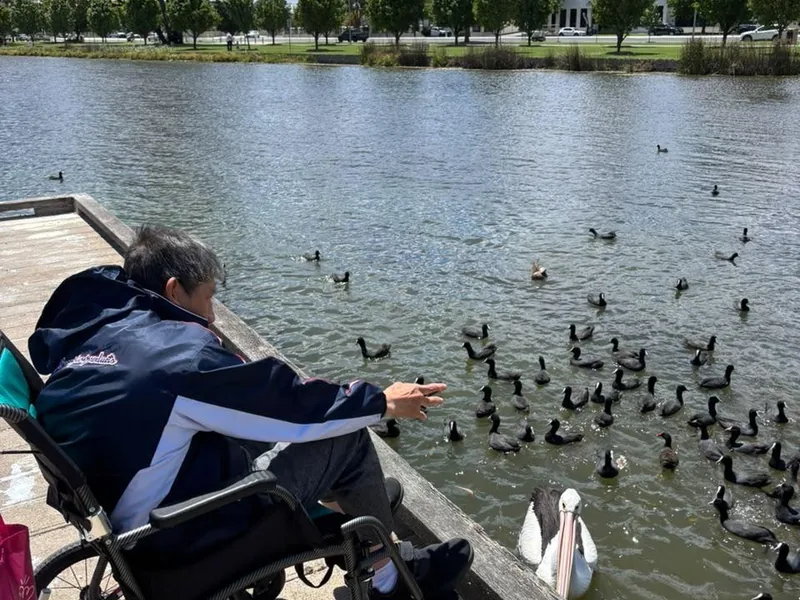
Allied health, person centred

Home visits as standard

NDIS expertise

Multilingual organisation
Greater independence at home
Lower risk of falls and injury
Equipment matched to you
Evidence for plan reassessment
Carers trained and supported
Questions Participants Ask
Frequently Asked Questions
NDIS occupational therapy is occupational therapy funded through a participant's NDIS plan. An occupational therapist is an allied health professional who helps people take part in the activities and tasks that matter to them, despite physical, cognitive or psychosocial challenges.
The OT assesses what you need, writes a plan suited to you, and provides the strategies, equipment recommendations or environmental changes that make the task possible. In Australia, occupational therapists must be registered with the Occupational Therapy Board of Australia through AHPRA to use the title.
A functional capacity assessment, often shortened to FCA, evaluates how you manage across the areas of daily living. Its purpose is to gather evidence about your abilities, your support needs and the barriers you face, so the NDIA understands what supports and services you need.
The OT observes how you perform a range of tasks, asks about your health and wellbeing, and gathers information from family and carers where you want them involved. The result is a detailed report covering your functional abilities and limitations, your goals and what you want to achieve. Many participants use an FCA as evidence at a plan reassessment.
Occupational therapy is usually funded from the Improved Daily Living Skills budget in your Capacity Building funding. Unlike Core Supports, Capacity Building budgets are not flexible between categories, so therapy funding can only be used for therapy.
Where an OT assessment leads to equipment or a home modification, the equipment or building work itself is funded from the Capital budget rather than from therapy funding, and usually needs a quote.
The national price limit for occupational therapy is $193.99 per hour under the NDIS Pricing Schedule 2026-27, effective 1 July 2026, under support item 15_617_0128_1_3. It rises to $271.59 per hour in remote areas and $290.99 per hour in very remote areas.
Price limits are maximums rather than set fees, and where the service is funded in your plan there is no out of pocket cost to you. Provider travel is capped at half the hourly rate, which is $97.00 per hour, and report writing and other work away from the session is claimed under separate non-face-to-face line items.
Occupational therapy is about the activity. The OT looks at what you want to do, then changes the task, the equipment or the environment so you can do it.
Physiotherapy is about the body: restoring movement, reducing pain, building strength and flexibility, and managing musculoskeletal and neurological conditions.
A participant recovering from a stroke might see a physiotherapist to rebuild arm movement and an OT to work out how to shower safely in the meantime. Many people see both.
The first appointment is a conversation about what you are finding hard, what you want to be able to do, and what motivates you. The OT will use assessments at different points to understand what you can do now and what you want to be doing, then recommend strategies, equipment or changes to your environment.
You should expect to be asked your opinion throughout rather than handed a plan, and to receive recommendations in writing.
For anything involving your home environment, such as a home modification assessment, falls prevention, hoist and sling prescription or manual handling, a home visit is the only way to assess it properly. Provider travel to a home visit is claimed at half the therapy rate.
Telehealth suits reviews, planning conversations, coaching and follow up. It does not suit assessments that depend on seeing you move through your own environment or trying equipment, and we will say so rather than book one that will not work.
Higher cost assistive technology and most home modifications also require quotes. An assessment is evidence for a decision rather than a guarantee of one, and the NDIA makes the final call.
Melbourne east: Vermont, Box Hill, Doncaster, Ringwood, Blackburn, Nunawading, Mitcham, Forest Hill, Croydon, Bayswater, Wantirna, Knox, Rowville, Boronia, Scoresby
Inner Melbourne: Kew, Hawthorn, Richmond, North Melbourne, Parkville, Carlton, Fitzroy, Collingwood, Abbotsford, Camberwell
South east and bayside: Glen Waverley, Mount Waverley, Dandenong, Springvale, Clayton, Oakleigh
Regional Victoria: Geelong, Ballarat, Bendigo, Mornington Peninsula, Latrobe Valley and Warrnambool, where we currently support participants
Availability varies by location and assessment type, so call (03) 9874 8628 to confirm your suburb.