
What Kinds of Community Activities Can Be Funded by the NDIS?
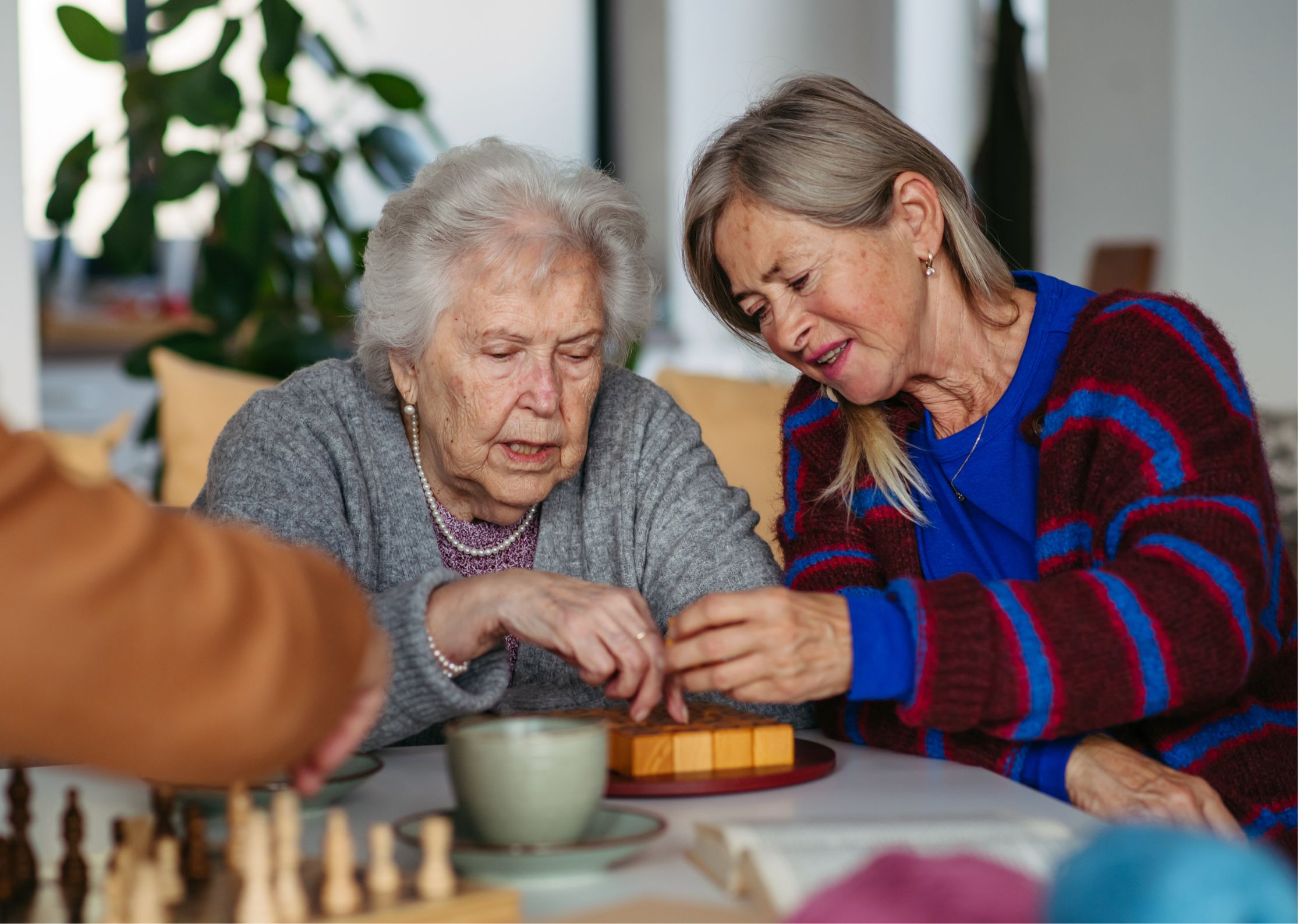
The NDIS recognises that being part of the community is essential for wellbeing, independence, and quality of life. Community activities help participants build skills, make social connections, and enjoy meaningful experiences outside the home.
While the NDIS does not usually pay for the cost of the activity itself, it often funds the support needed to participate, such as support workers, transport, and skill-building programs—when these supports are considered reasonable and necessary.
This blog explains the types of community activities that can be funded by the NDIS, with real-life examples of both individual and group activities.
How the NDIS Funds Community Activities
The NDIS may fund:
- Support workers to assist participants to attend activities
- Programs that build skills and independence
- Supports that help reduce barriers to community access
Funding usually comes from:
- Core Supports – Assistance with Social and Community Participation
- Capacity Building – Increased Social and Community Participation
Individual Community Activities Funded by the NDIS
Individual activities focus on personal interests, goals, and independence.
Swimming and Fitness Activities
NDIS supports may include:
- Support worker assistance at a swimming pool or gym
- Help with changing, safety, or supervision
- Support to build confidence in public spaces
These activities support physical health, routine, and confidence.
Art, Music, and Creative Activities
Examples include:
- Painting or drawing classes
- Music lessons or group music sessions
- Craft workshops
NDIS funding may support participation by covering support worker time or skill-building programs that improve communication, focus, or emotional expression.
Life Skills and Independence Training
Activities may include:
- Cooking classes
- Budgeting and money management
- Travel training
- Personal organisation and planning
These activities help participants build practical skills for daily living.
Community Outings
Support workers may assist participants with:
- Shopping
- Visiting cafés
- Attending appointments
- Exploring local community spaces
These outings build confidence, decision-making skills, and independence.
Group Community Activities Funded by the NDIS
Group activities encourage social connection, teamwork, and communication.
Sports and Recreational Groups
Examples include:
- Team sports
- Yoga or group fitness classes
- Walking groups
Group activities support physical health while also encouraging social interaction.
Group Art and Creative Workshops
These may include:
- Group art classes
- Drama or dance workshops
- Group music programs
NDIS funding may support access through structured group programs or support worker assistance.
Social Groups and Clubs
Participants may join:
- Social meet-ups
- Hobby groups
- Community clubs
- Gaming or interest-based groups
These activities help reduce social isolation and build friendships.
Skill-Building Workshops
Workshops may focus on:
- Communication and social skills
- Emotional regulation
- Confidence building
- Job readiness and teamwork
These programs often fall under Capacity Building supports.
Volunteering and Community Contribution
Volunteering is a meaningful way to build skills and give back to the community.
NDIS may fund:
- Support worker assistance during volunteering
- Training or preparation for volunteer roles
- Transport to and from volunteering locations
Volunteering can support goals related to employment, confidence, and independence.
What the NDIS Usually Does Not Pay For
It’s important to understand that the NDIS generally does not pay for:
- Membership fees
- Entry tickets
- Class enrolment costs
- Equipment or uniforms (unless disability-specific)
However, the support needed to participate may still be funded.
Choosing the Right Community Activities
NDIS-funded activities should:
- Align with the participant’s goals
- Build independence or skills
- Support wellbeing and inclusion
- Be reasonable and necessary
Activities are most effective when they are meaningful and enjoyable for the participant.
How Support Coordination Can Help
Support Coordinators can:
- Identify suitable community programs
- Ensure activities align with NDIS goals
- Help use funding correctly
- Connect participants with inclusive providers
- Review activities during plan reassessments
The NDIS supports a wide range of community activities that help participants stay active, connected, and engaged. From swimming and art classes to volunteering and skill-building workshops, community participation plays a key role in wellbeing and independence.
With the right supports in place, community life becomes more accessible, enjoyable, and empowering.